Comparative Study on Different
Types of Computers
What has it become?
Computers have become an important part of our lives, basically influencing nearly part of our society, from doing the simplest tasks to computing complex algorithms and making innovations new. Over time, new types of computers are made to cater the different tasks and workloads the users need. Going from the most powerful yet expensive supercomputers, to personal microcomputers we can have right in our homes. Understanding the components of these computers helps in identifying what system is right to be used.
Types of Computers
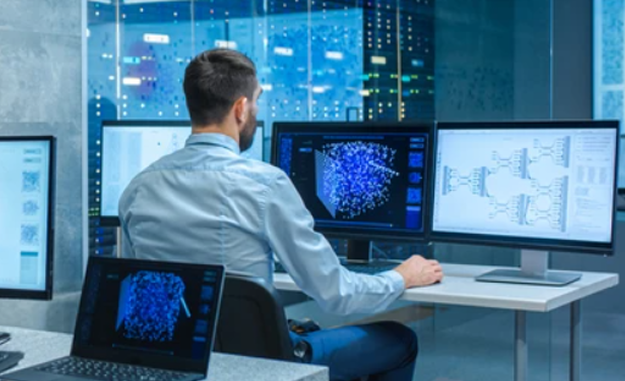
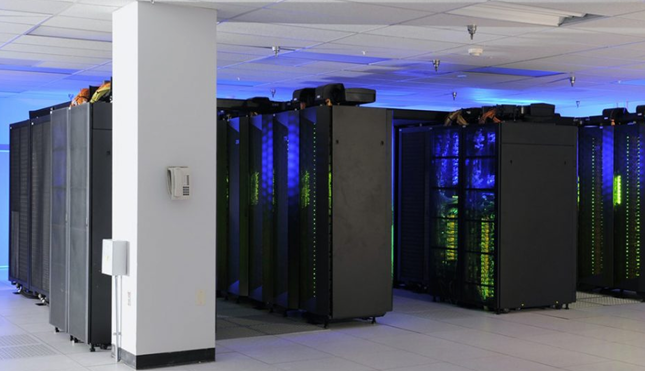
The diversity of computers come from their intended use and the scale of the operations it can handle. For instance, Supercomputers are the fastest and most powerful systems which are often used in scientific simulations and research. They are equipped with the latest processors to handle the big computations it needs to do.

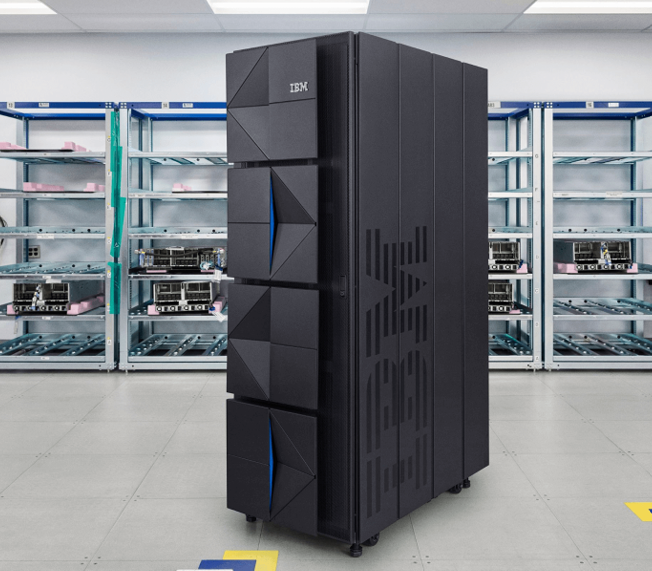
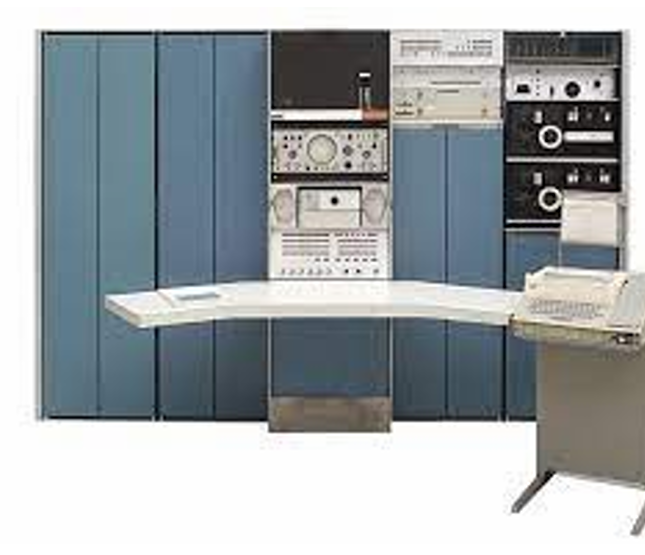
Another kind of systems are Mainframe computers, although these are slightly less powerful than a supercomputer, it still can manage large scale data and transactions, usually used in government and banking databases. Now Mini computers act as a connection between high end computing and personal computing, it is usually used by organizations and companies for managing networks and sharing applications.

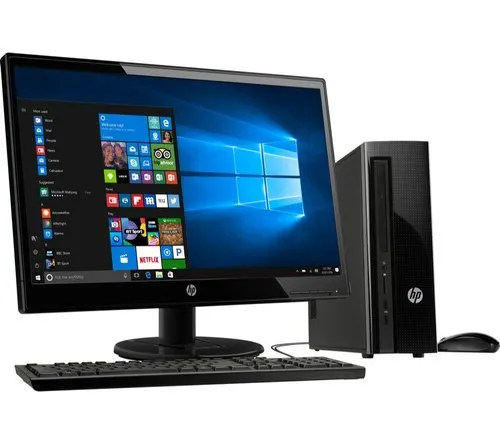
However, Workstations are designed for professional and technical tasks like video editing, 3D rendering. And finally Microcomputers, or specifically known as personal computers or PCs. It is made for individual users and generally used for tasks like word processing, gaming, and day to day internet use. However despite it being smaller and less powerful then the ones previously mentioned, it still is capable of handling tasks.
Types of Computers Sample Image Description Usage
Supercomputer Extremely powerful computers designed for complex calculations and simulations. Used for climate modeling, space research, and scientific simulations.
Mainframe Computers Large, high-capacity systems capable of handling massive data processing. Capable of handling massive data processing. Used by banks, government agencies, and corporations for transactions and record-keeping.
Mini Computers Mid-sized computers that support multiple users simultaneously. Used in small organizations for database management and industrial control.
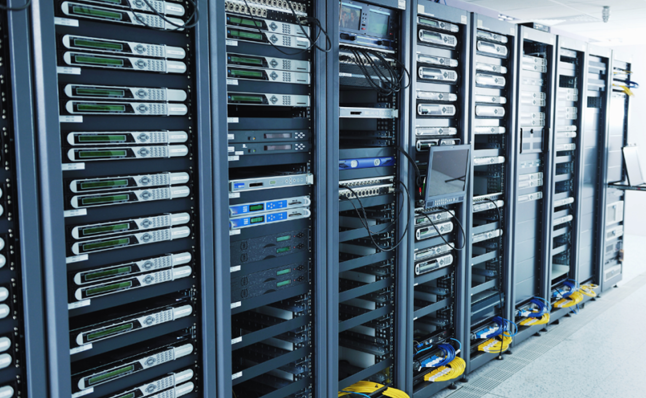
Server Computers that manage network resources and provide data to other computers. Used in companies for hosting websites, emails, and file sharing.
Workstations High-performance desktop computers for professional applications. Used by engineers, designers, and researchers for tasks like 3D modeling or software development.
Micro Computers Small, affordable computers designed for individual use with moderate processing power. Used for personal tasks such as word processing, gaming, browsing, and school or office work.